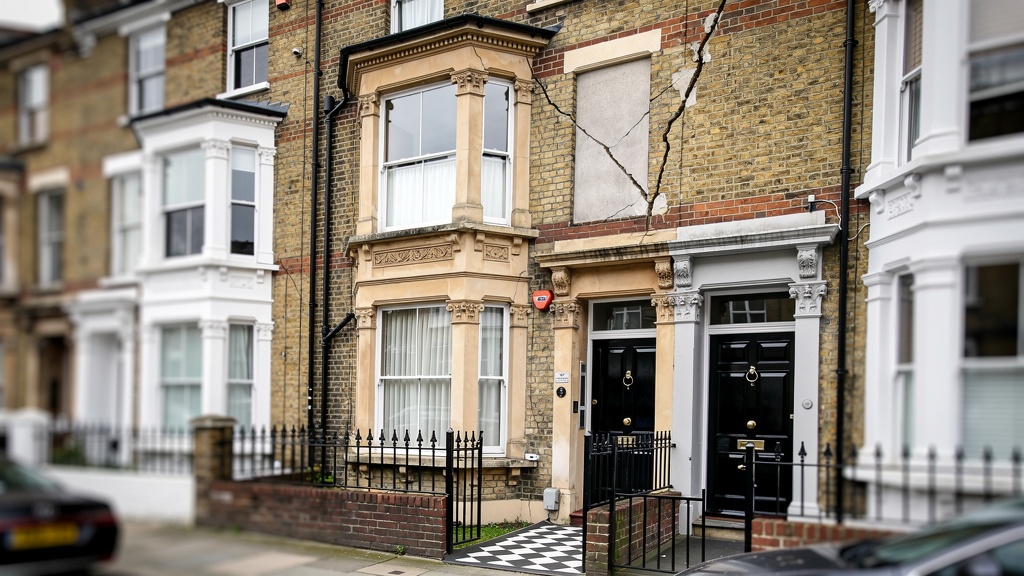
If you're buying a property in London — particularly an older Victorian or Edwardian house — there's a good chance someone will mention a "structural survey." But what exactly is a structural survey? How does it differ from a standard RICS building survey? And when do you genuinely need one?
At Balham Surveyors, we carry out building surveys and structural inspections for buyers across South London every day. This guide answers the questions we hear most often — clearly, honestly and without the jargon.
What Is a Structural Survey?
The term "structural survey" is used informally in the property industry to describe a comprehensive building inspection that pays particular attention to the structural integrity of a property. In RICS terminology, this corresponds most closely to a RICS Level 3 Building Survey — the most detailed and thorough survey available to residential buyers.
A full structural survey assesses not just the visible condition of a building, but analyses the construction methods used, identifies any movement or instability in the structure, considers the likely causes of defects, and advises on remediation — including approximate costs where relevant.
Unlike a Level 2 HomeBuyer Report, which uses a traffic-light rating system and follows a standardised format, a Level 3 structural survey is written in a more narrative, bespoke format tailored to the specific property being assessed.
What Does a Structural Survey Inspect?
A comprehensive structural survey carried out by one of our RICS surveyors in Balham will inspect and report on every visible and accessible element of the building, including:
Foundations and Substructure
London's clay-rich soils make subsidence a significant risk, particularly for Victorian and Edwardian properties built on shallow foundations. Our surveyors will look for evidence of differential settlement, heave, and the impact of trees and shrubs on foundation stability. We examine internal and external crack patterns, check whether cracks are live or historic, and — where necessary — recommend specialist structural engineering assessment.
External Walls and Brickwork
We inspect the full external envelope of the building — front, rear and any side returns or extensions. We look for bulging or bowing brickwork, failed pointing and repointing, defective render, inadequate movement joints, and evidence of water ingress through the external fabric. On cavity wall properties, we assess whether wall ties may have corroded (a common issue in 1920s–1970s properties).
Roof Structure
The roof is one of the most significant structural elements of any building, and one of the costliest to repair. We inspect the roof covering (tiles, slates or flat roof membrane), the ridge line, the chimney stacks, flashings and guttering. Where safe access allows, we inspect the roof space internally to assess the roof structure — rafters, purlins, ridge board and ceiling joists — and check for signs of rot, infestation and inadequate ventilation.
Floors
Suspended timber ground floors are very common in South London Victorian terrace houses. We check for bounce, unevenness and signs of rot in the floor joists. We also inspect for evidence of damp below the floor, inadequate subfloor ventilation (a frequent cause of joist rot) and any signs that structural timbers have been damaged or removed during previous works.
Internal Walls and Ceilings
We check all internal walls — both load-bearing and partition walls — for signs of movement, cracking, bulging and damp penetration. Ceilings are inspected for sagging, cracking and evidence of water damage. Where lath-and-plaster ceilings are present (common in older London properties), we advise on their condition and stability.
Chimney Stacks and Flues
Victorian and Edwardian houses in Balham and the wider South London area typically have multiple chimney stacks, some of which may have been capped or converted for gas use. We inspect chimney stacks for pointing failures, flaunching deterioration and lean. Where flues are in use, we recommend a separate CCTV flue inspection by a qualified sweep.
Drainage
A visual inspection of the drainage system is included in a full structural survey, checking gulley pots, manhole covers, soil and rainwater pipes. Where there are signs of drainage problems or the drainage layout is unclear, we recommend a CCTV drain survey as an additional investigation.
When Do You Need a Structural Survey?
A full structural survey is the right choice for any of the following situations:
- The property is Victorian, Edwardian or pre-war — these properties are significantly more complex than modern buildings and carry higher risk
- The property shows visible cracking — external or internal cracking should always be investigated thoroughly before purchase
- The property has had significant extensions or alterations — previous work may not have been carried out to current Building Regulations standards
- The property has been empty or poorly maintained — deferred maintenance often conceals serious defects
- The property is in a high-risk area for subsidence — large parts of South London, including Balham, Tooting and Streatham, sit on London Clay
- You're buying a large, high-value property — where the cost of hidden defects could be very significant
- You're buying to invest or develop — understanding the full condition of the property is essential for accurate budgeting
- The property has a flat roof — flat roofs have a limited lifespan and can be expensive to replace
Structural Survey vs RICS Level 2 HomeBuyer Report — What's the Difference?
The two main types of survey for residential buyers are the RICS Level 2 HomeBuyer Report and the RICS Level 3 Building Survey. Here's a clear comparison:
| Feature | Level 2 HomeBuyer | Level 3 Structural Survey |
|---|---|---|
| Best for | Modern, well-maintained properties | Older, larger or complex properties |
| Report format | Standardised traffic-light rating | Bespoke narrative report |
| Depth of inspection | Visual inspection, standard format | Detailed investigation, includes analysis |
| Cost advice | Optional add-on | Included where required |
| Typical cost | £400–£600 | £600–£1,200+ |
What Does a Structural Survey Cost in South London?
The cost of a structural survey in Balham and South London depends on the size, age and complexity of the property. As a general guide:
- Two-bedroom Victorian terrace: from £550–£700
- Three-bedroom semi-detached house: from £650–£850
- Four-bedroom detached or large terrace: from £800–£1,100
- Large or complex properties: from £1,000–£1,500+
For context, a single structural issue — such as subsidence requiring underpinning, a failed flat roof, or significant timber rot — can easily cost £10,000–£50,000 to remedy. The survey fee is a fraction of the potential cost of buying blind.
Common Structural Issues Found in South London Properties
Based on our experience carrying out structural surveys across Balham, Tooting, Wandsworth, Clapham, Brixton and Streatham, here are the structural defects we encounter most regularly:
Subsidence and Settlement
London Clay shrinks significantly during dry summers and expands in wet winters, causing foundations to move. This seasonal movement — particularly on properties near mature trees — can cause significant cracking and, in serious cases, require underpinning. We note the pattern, width and direction of cracks and advise accordingly.
Wall Tie Failure
Properties built between approximately 1920 and 1981 used steel wall ties that are now known to corrode. As the ties rust, they expand and cause horizontal cracking in the mortar joints of the outer leaf. Left untreated, this can cause the outer wall to become structurally unstable. Repair requires specialist wall tie replacement — typically £2,000–£8,000 for a typical semi-detached house.
Roof Spread
Without adequate ceiling ties, the weight of roof covering can push the rafters outward, causing the ridge to sag and the eaves to spread. This is common in older London houses where roof timbers may have been weakened by rot or woodworm. We check for evidence of spread by measuring ridge deflection and inspecting ceiling joist connections.
Failed Lintels
Stone or brick lintels over door and window openings can crack or deflect, causing significant cracking in the surrounding brickwork. Steel lintels in more modern properties can rust if not properly protected. We inspect all visible lintels and assess their condition.
Cellar and Basement Issues
Many Victorian South London terrace houses have semi-basement rooms or coal cellars. These often suffer from rising damp, water ingress through the walls, and poorly maintained tanking. Where a basement conversion has been carried out, we check whether tanking and waterproofing have been correctly detailed.
What Happens After a Structural Survey?
Once the inspection is complete, we'll prepare a detailed written report — usually delivered within 3–5 working days. The report will describe our findings for every element of the building, explain the likely causes of any defects identified, and recommend appropriate remedial action.
Where we identify significant structural issues, we may recommend that you commission a specialist report from a structural engineer. We can help you interpret the findings and, if you wish, negotiate with the vendor on the basis of the survey — many buyers use survey findings to renegotiate the purchase price.
Frequently Asked Questions About Structural Surveys
A building survey includes a visual inspection of electrical and plumbing installations, but it does not replace a full electrical installation condition report (EICR) or a gas safety certificate. Where we have concerns about the condition of services, we will recommend specialist inspections by a qualified electrician or gas engineer.
Yes — where safe access is available and the hatch is accessible, our surveyors will inspect the loft space as part of a Level 3 structural survey. This allows us to assess the roof structure, insulation levels and any signs of water ingress from the roof covering above.
You have several options: you can renegotiate the price to reflect the cost of repairs, ask the vendor to carry out remedial works before completion, proceed with the purchase with a full understanding of the risks, or withdraw from the purchase altogether. Our surveyor can advise you on the most appropriate course of action.
No — they are complementary but different. A structural survey by a RICS building surveyor is a broad inspection of the whole building. A structural engineer's report focuses specifically on structural elements — calculations, load paths, and proposed remediation designs. For complex structural issues, you may need both.
We recommend booking your survey as soon as your offer has been accepted. Our surveyors are typically available within 5–10 working days, though we can often accommodate urgent requests. The sooner you have the survey, the more time you have to review the findings before exchange of contracts.
Book a Structural Survey in Balham & South London
Our RICS building surveyors provide thorough, clear structural surveys for London property buyers. Get in touch for a free, no-obligation quote.
Get a Free Quote